Thinking about the right moment to buy or list in Malibu? You are not alone. In a coastal luxury market shaped by vacation travel, privacy needs, and permitting, timing is more about planning than picking a single magic month. In this guide, you will learn how Malibu’s dual market cycle works, what local factors matter most, and how to build a smart, season-based plan for your next move. Let’s dive in.
Malibu’s dual market cycle
Malibu combines a traditional spring selling season with distinct luxury windows in summer and around the holidays. This dual rhythm reflects how second-home buyers travel, how showings are managed for high-profile listings, and how weather and permitting affect readiness.
Late winter to spring (Feb–May)
You often see refreshed inventory and strong buyer activity as the year gets underway. Sellers who complete repairs and prep in winter can capture early attention before summer traffic ramps up. For buyers, this window can offer more selection and time to evaluate options without peak-season pressure.
Summer visibility (June–Aug)
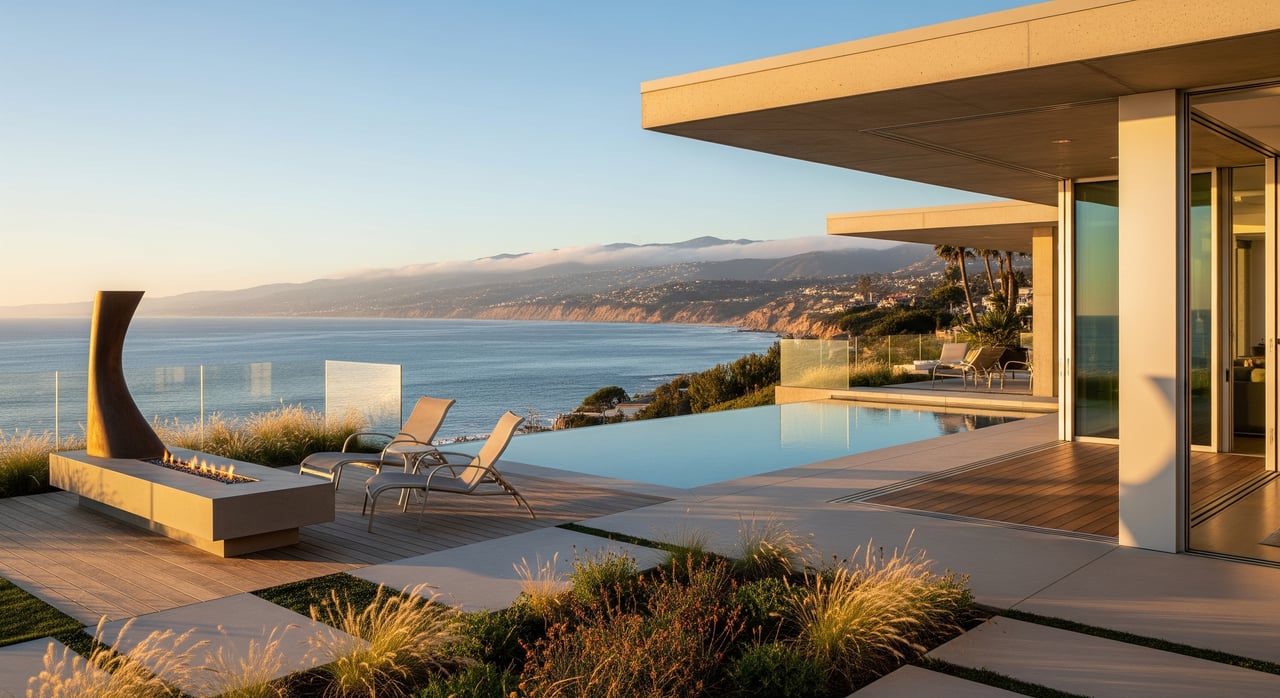
Summer brings peak visitation. Second-home buyers are in town, and oceanfront and view properties show well with long days and active outdoor spaces. Expect more private showings and curated tours, especially for celebrity or high-profile homes.
Early to late fall (Sept–Nov)
Activity can cool as travel slows and schedules normalize. Some sellers hold off for spring, while others adjust pricing or marketing for targeted outreach. Buyers can sometimes negotiate favorable terms with motivated sellers, but premium listings may wait for the next high-visibility window.
Winter holiday window (late Nov–Jan)
Inventory is thinner, yet motivated buyers often emerge for privacy, end-of-year plans, or holiday use. If a property’s strengths include entertaining and retreat-like amenities, a short, discreet holiday listing can be effective. Buyers should expect limited choices, and some due diligence may be slower during holidays.
Local factors that shape timing
The same Malibu home can perform differently by season depending on buyer mix, logistics, and risk reviews. Here are the variables that matter most.
Buyer mix and privacy needs
Malibu has a high share of second-home and celebrity buyers. These clients plan around travel, privacy, and entertaining, which shifts showing patterns toward summer and holidays. Local primary-home buyers often follow a more standard spring-to-summer cadence.
Tourism and local events
Beach season raises visibility for ocean-adjacent listings. Longer days and active outdoor lifestyles support lifestyle-driven marketing. If you prefer a more private selling experience, targeted showings outside peak weekends can work well.
Permits and coastal constraints
Many Malibu properties fall within the California Coastal Zone. Renovations or shoreline work can require approvals from the City and the California Coastal Commission, which adds lead time. Review the Coastal Commission’s guidance on permitting to understand what may trigger a review and expected timelines. For more details, see the California Coastal Commission’s overview of permitting at the Coastal Commission permits page and the City of Malibu Planning Department.
Insurance and financing
Luxury coastal homes may require jumbo loans and face tighter underwriting tied to wildfire, wind, and flood risk. Insurance renewals and carrier changes in California can affect timelines. Before listing or making an offer, verify insurability and expected premiums. For statewide context and guidance, visit the California Department of Insurance.
Environmental seasonality
Wildfire risk, heavy rain, bluff erosion, and beach access conditions are seasonal. Storm season can expose drainage or shoreline issues that buyers will want to evaluate. Beachfront buyers are increasingly attentive to king tides and sea level considerations. For background on king tides, review NOAA’s explanation of king tides.
Short-term rental rules
Local short-term rental and occupancy rules can influence buyer economics and the timing of investor activity. Regulations and permitting windows change over time, so confirm the latest status with the City of Malibu Planning Department before you finalize assumptions about rental income.
Seller playbook by season
Use these steps to prepare for Malibu’s dual cycle. Adjust timelines based on property type, permits, and privacy needs.
Spring launch plan
- Complete winter prep early. Finish repairs, landscaping, and any Coastal or City permits you need for marketing claims.
- Gather due diligence. Prepare a thorough disclosure packet including septic or sewer status, known coastal improvements, and any hazard reports.
- Price to the moment. Spring brings broad exposure. Align pricing with current comps and highlight lifestyle access.
Summer advantage
- Stage for the lifestyle. Emphasize outdoor living, pool and spa settings, beach access, and indoor-outdoor flow.
- Manage privacy. Coordinate private showings, media schedules, and access rules for high-visibility listings.
- Be decisive. Summer windows can be short. Respond quickly to qualified interest to capitalize on peak visitation.
Fall recalibration
- Target motivated buyers. Adjust marketing and copy to focus on privacy, readiness, and unique features that stand out off-peak.
- Prepare for longer DOM. Build a plan for sustained outreach and consider strategic price adjustments if needed.
- Holiday pivot. If you keep the listing active, tailor photography and staging to entertaining and retreat value.
Holiday window strategy
- Lean into exclusivity. If privacy and entertaining are strengths, a discreet holiday listing can resonate.
- Set clear timelines. Holiday schedules compress response times for inspections and paperwork. Prepare vendors in advance.
- Capture momentum. Professional night photography and warm staging can showcase gathering spaces.
Ideal seller timelines
- 3 to 6 months before listing: Scope repairs and landscape work. Start Coastal or City applications if needed. Complete wildfire mitigation and defensible-space work where applicable.
- 6 to 8 weeks before listing: Order professional photography and drone footage, address punch-list items, review insurance exposures.
- 2 to 4 weeks before listing: Set showing protocols, pre-stage, finalize disclosure and document packets.
Buyer playbook by season
Choose the window that fits your travel and privacy needs, then back into a due diligence timeline.
Spring readiness
- Secure jumbo pre-approval. Have financing ready to move when the right home appears.
- Book a targeted tour. Tour before summer crowds to compare neighborhoods and views at a relaxed pace.
- Verify insurability early. Get preliminary quotes for homeowner and flood coverage before writing offers.
Summer fieldwork
- Expect competition for prime addresses. Prepare for shortened decision windows and private showings.
- Evaluate lifestyle fit in real time. Visit at different times of day to see traffic, noise, and beach access.
- Move quickly but carefully. Allocate extra time for geotechnical, coastal hazard, and insurance checks before contingencies expire.
Fall opportunities
- Watch for price shifts. Some sellers adjust expectations after summer.
- Negotiate flexibility. Seek post-holiday due diligence extensions if needed.
- Line up specialists. Engage geotechnical and coastal consultants early to avoid delays.
Holiday window tactics
- Act with purpose. Inventory is tighter, but motivated sellers may be open to clean terms.
- Confirm timelines. Vendor availability can be limited during holidays, so buffer your schedule.
- Prioritize essentials. Verify insurability and key inspections before you remove contingencies.
Ideal buyer timelines
- 1 to 2 months before your visit: Secure pre-approval, identify coastal due diligence providers, and plan a curated tour.
- During the offer: Build in time for Coastal or City permit checks, geological reviews, and insurance verification.
- Closing: Standard windows are often 30 to 60 days, but allow flexibility for permit reviews, insurance binds, and seller move logistics.
Due diligence that often adds time
Malibu’s coastal setting rewards careful preparation. These items frequently extend timelines and should be addressed early when possible.
- Coastal and City approvals for seawalls, bluff stabilization, or access changes. See the Coastal Commission permits page and the City of Malibu Planning Department for process overviews.
- Geotechnical and slope reports for bluff properties.
- Septic versus sewer confirmation and septic capacity where relevant.
- Insurance quotes for wildfire, flood, and homeowner coverage. Review statewide guidance with the California Department of Insurance.
- Hazard disclosures for storm or erosion history and any past Coastal Commission enforcement actions.
- Easements and beach access rights, including lateral access and private rights-of-way.
- Short-term rental compliance review if rental income is part of your plan. Confirm current rules with the City of Malibu Planning Department.
- Utility and infrastructure considerations, including backup power and cellular coverage.
How to choose your moment
There is no single best month to buy or sell in Malibu. Your optimal window depends on your goals, the property’s strengths, and current inventory and underwriting conditions. Use the dual-cycle lens: spring for broad exposure and selection, summer for lifestyle showings and concentrated demand, fall for selective opportunities, and holidays for focused, privacy-driven moves.
Before you act, review the latest MLS snapshot and luxury brokerage reports for current inventory and days-on-market patterns, and confirm permitting or insurance changes with the City, the Coastal Commission, and the California Department of Insurance.
When you are ready to calibrate strategy, coordinate private showings, or build a season-smart plan for a Malibu purchase or sale, connect with Ruth Elia to schedule a private consultation.
FAQs
What is the best month to list a Malibu oceanfront home?
- There is no universal best month. Typical high-visibility windows are late spring and summer, with targeted opportunities during the holiday period. Check current MLS data and regulatory conditions before deciding.
Do Malibu luxury homes sell faster in summer?
- Often yes for ocean-adjacent lifestyle properties because buyer visitation rises, but timing is also shaped by privacy needs, underwriting, and due diligence complexity.
How do wildfires and insurance cycles affect timing in Malibu?
- They can influence buyer willingness and lender or insurer approvals. Resolve mitigation and insurance documentation before listing, and verify coverage options early in the process.
Will coastal permits delay a Malibu sale or renovation?
- Major shoreline or bluff work can require City and Coastal Commission approvals that add months. Start consultations and applications well ahead of your target list date.
How much time should I budget for closing a Malibu luxury home?
- Many closings fall in the 30 to 60 day range, but budget extra time for coastal permit checks, insurance procurement, inspections, and specialized reports.
Can I buy a Malibu second home remotely, or do I need to visit?
- Virtual tours help, but many second-home buyers still prefer in-person visits for lifestyle evaluation. Peak travel windows, especially summer and holidays, are when most in-person tours occur.