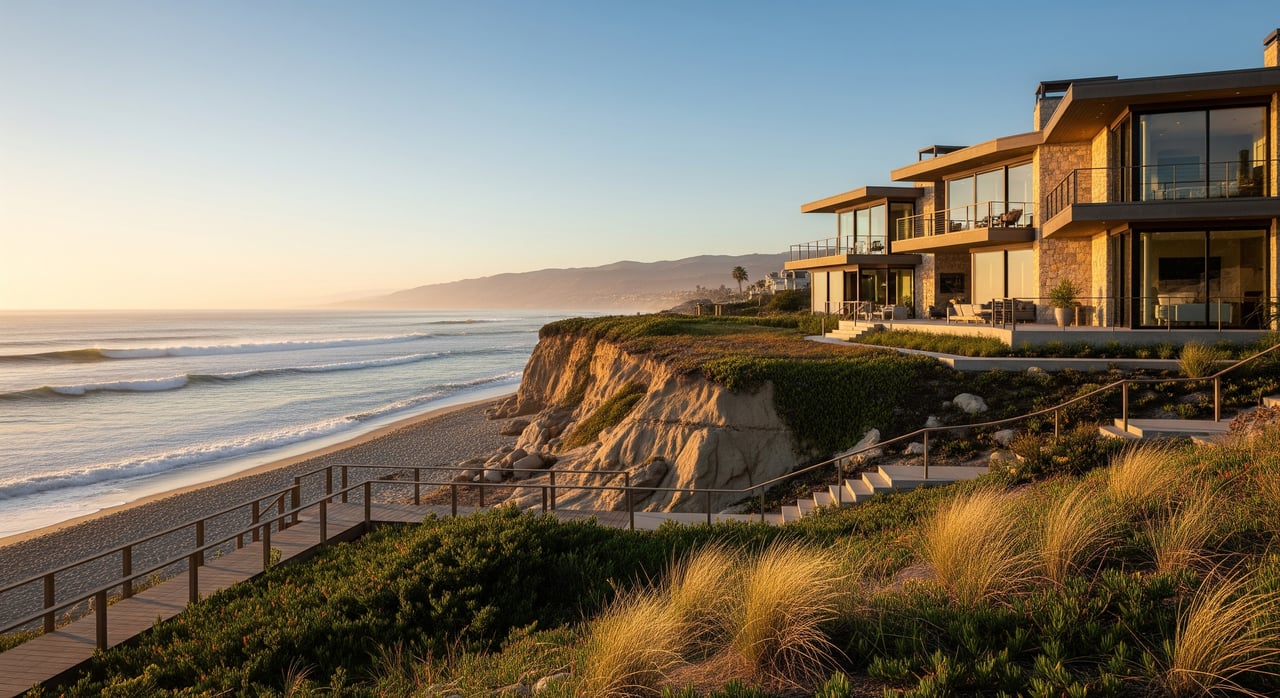
Thinking about building or remodeling in Malibu? One permit can make or break your timeline and return on investment: the Coastal Development Permit. If you understand when a CDP is required, who reviews it, and how to prepare, you can avoid delays and preserve property value. This guide lays out the essentials in plain language so you can move forward with confidence. Let’s dive in.
What a CDP is
A Coastal Development Permit is required for many types of development within Malibu’s coastal zone. It comes from California’s Coastal Act, which sets statewide policies to protect coastal resources, public access, and safety. In Malibu, the City issues most CDPs under its certified Local Coastal Program, while the California Coastal Commission retains oversight in defined situations.
The big picture: local approvals must align with Malibu’s LCP, and the Coastal Commission applies the Coastal Act when it acts directly or on appeal. In practice, the same priorities apply across both reviews: protect public access, manage hazards like erosion and sea-level rise, and safeguard habitat, water quality, and coastal views.
Who issues permits
City vs. Commission
- City of Malibu: For areas covered by the certified LCP, the City is the primary permit authority. Most residential projects fall here.
- California Coastal Commission: The Commission issues permits directly in certain categories and hears appeals of many City decisions. It also has original jurisdiction over development on public tidelands and other defined areas.
Because jurisdiction can vary by parcel and project type, you should confirm with City planning staff early. If your property touches beaches, bluff edges, or public access corridors, expect closer scrutiny.
When you need a CDP
Common triggers
You generally need a CDP for:
- New construction, including single-family homes and multi-unit buildings.
- Additions or expansions that increase footprint, floor area, height, grading, or change the exterior.
- Grading, major earthwork, driveways cut into slopes, and retaining walls.
- Shoreline protection like seawalls, revetments, bulkheads, or work seaward of the mean high tide line.
- Demolition combined with rebuilding, or changes that alter hazard risk or public access.
- Changes in use that increase intensity, such as converting a residence to visitor-serving commercial.
Possible exemptions
Some routine maintenance and minor repairs that do not change size or hazard protection can be exempt. Interior-only remodels without exterior changes are sometimes exempt as well. Emergency permits can authorize temporary work to address immediate hazards, but they are limited and separate from a regular CDP. Exemptions are narrow and fact-specific, so do not assume.
Special cases
Projects near bluffs, beaches, and access paths face heightened review. Shoreline armoring is scrutinized because it can affect public access and the environment, and it may require significant mitigation or face denial. Work that touches sensitive habitats, wetlands, or navigable waters can trigger additional agency approvals and conditions.
City vs. Coastal Commission review
Who acts first
- City process: The City typically processes CDPs where its LCP is certified. Some projects can be approved at staff level; others require Planning Commission hearings.
- Commission process: The Commission holds public hearings and can take several meetings for complex matters. On appeal, it can uphold, modify, or overturn a City decision.
Process differences
City review often begins with a pre-application conversation to scope requirements. You can expect staff review, public notice, and conditions tied to Malibu’s LCP, such as setbacks or view protections. The Commission uses a formal hearing process with agendas scheduled statewide. Complex projects or appeals can take multiple Commission dates.
Standards and conditions
Both bodies focus on coastal resource protection. The City uses its LCP’s detailed local standards, while the Commission applies the Coastal Act. The Commission may emphasize public access, shoreline armoring impacts, and cumulative effects. Typical conditions include:
- Setbacks that address bluff retreat and sea-level rise.
- Deed restrictions or easements that run with the land.
- Drainage and stormwater controls to protect marine water quality.
- Public access improvements or signage where relevant.
- Monitoring and habitat mitigation when biological resources are affected.
Appeals and risk
Many City decisions are appealable to the Commission under statutory procedures with short windows to file. If appealed, the project is reviewed for Coastal Act conformance. You should plan for the possibility of an appeal even after a City approval, especially near beaches or public access areas.
Timelines to expect
Typical ranges
Actual durations vary by scope and project conditions, but here is general guidance:
- Pre-application due diligence: weeks to months.
- City application intake and completeness review: several weeks.
- Staff-level review for straightforward, complete applications: a few weeks to a few months.
- Planning Commission hearings or neighborhood input: multiple months.
- Coastal Commission appeal or direct Commission permitting: several additional months; complex matters can take 6–12 months or longer.
- Environmental review under CEQA: from months to years for projects with significant impacts or litigation risk.
Common bottlenecks
- Incomplete submittals or missing technical studies (geotechnical, biological, drainage, archaeological).
- Disagreement over bluff setbacks, hazard mitigation, or shoreline armoring.
- Public opposition, hearing requests, and appeals.
- Multi-agency coordination for wetlands, habitat, or water-related work.
- Commission agenda availability and hearing schedules.
What increases risk
- Proposals for seawalls or other hard armoring that can narrow beaches.
- Development on eroding bluffs without adequate setbacks or adaptive design.
- Projects that affect environmentally sensitive habitat areas or wetlands.
- Design elements that conflict with LCP provisions like height, view corridors, or massing.
Costs to plan for
- City and Commission permit fees.
- Consultants: coastal permit specialist, architect, civil and geotechnical engineers, biologist, and attorney when appeals are possible.
- CEQA preparation and mitigation.
- Potential public access improvements or long-term monitoring.
- Redesign and resubmittal if conditions require changes.
Due diligence that protects value
Early diligence is the single best way to preserve your schedule and investment. A complete, well-supported application prevents delays and reduces redesign risk.
Buyer checklist before you write an offer
- Review permit history: existing CDPs, recorded conditions, and monitoring reports. Confirm which conditions run with the land.
- Request all coastal permits, compliance letters, and correspondence with the City or the Commission.
- Confirm zoning, LCP designation, and whether the site sits in an area where the Commission has original jurisdiction or where appeals are common.
- Verify whether any shoreline stabilization or bluff work was permitted and whether any enforcement actions exist.
Planning a remodel or new build
- Meet with City of Malibu Planning early for a jurisdiction check and pre-application guidance.
- Commission a geotechnical report for bluff-top or sloped parcels and a coastal hazards assessment that addresses sea-level rise.
- Engage a coastal permit specialist or architect with Malibu and Commission experience. Strong submittals anticipate conditions and avoid deficiencies.
- Develop alternatives: consider non-structural stabilization, relocation landward, or other adaptive strategies instead of hard armoring.
- Budget for potential appeals and mitigation so you are not surprised later.
Red flags to watch
- Temporary or emergency shoreline armoring that may not convert to a permanent approval.
- Recorded deed restrictions that limit future development or require ongoing mitigation.
- Proposals that depend on future seawalls to protect structures.
- Open enforcement cases with the City or the Commission.
After approval: stay compliant
- Track monitoring and reporting deadlines, such as biological surveys or inspections.
- Understand recorded conditions that run with title; they can affect future sales or remodels.
- Plan ahead for permit amendments or extensions; modifications often trigger new review.
The bottom line for Malibu projects
If you approach a Malibu project with a clear CDP strategy, you can maintain momentum and protect value. Confirm who has jurisdiction, invest in the right technical studies, and build a team that understands Malibu’s LCP and the Commission’s priorities. That preparation shortens timelines, reduces appeal risk, and gives you leverage when conditions are negotiated.
If you are considering a coastal purchase or planning a project, connect for tailored guidance that aligns with your goals and timeline. Schedule a private consultation with Ruth Elia to map your next steps in confidence.
FAQs
What is a Coastal Development Permit in Malibu?
- It is a permit required for many types of development in Malibu’s coastal zone to ensure consistency with the Local Coastal Program and California’s Coastal Act.
When do you typically need a CDP for a home project?
- New builds, additions, grading, shoreline protection, or exterior changes that affect hazards, public access, or coastal resources generally require a CDP.
Who reviews my Malibu CDP first, the City or the Commission?
- The City typically reviews first under its certified LCP; the Coastal Commission may act on appeal or in areas where it has original jurisdiction.
How long does the CDP process take in Malibu?
- Timelines vary; straightforward projects can take a few months while complex or appealed projects can extend into several months or longer due to hearings and CEQA.
What causes CDP delays most often?
- Incomplete applications, missing technical reports, disputes over hazards or shoreline armoring, public opposition, and Commission scheduling are common causes.
Are interior remodels in Malibu exempt from CDPs?
- Some interior-only remodels that do not alter the exterior or grade may be exempt, but exemptions are narrow and depend on project specifics.
What CDP conditions should buyers look for before closing?
- Look for recorded deed restrictions, monitoring requirements, setbacks tied to bluff retreat, and any public access or drainage conditions that run with the land.