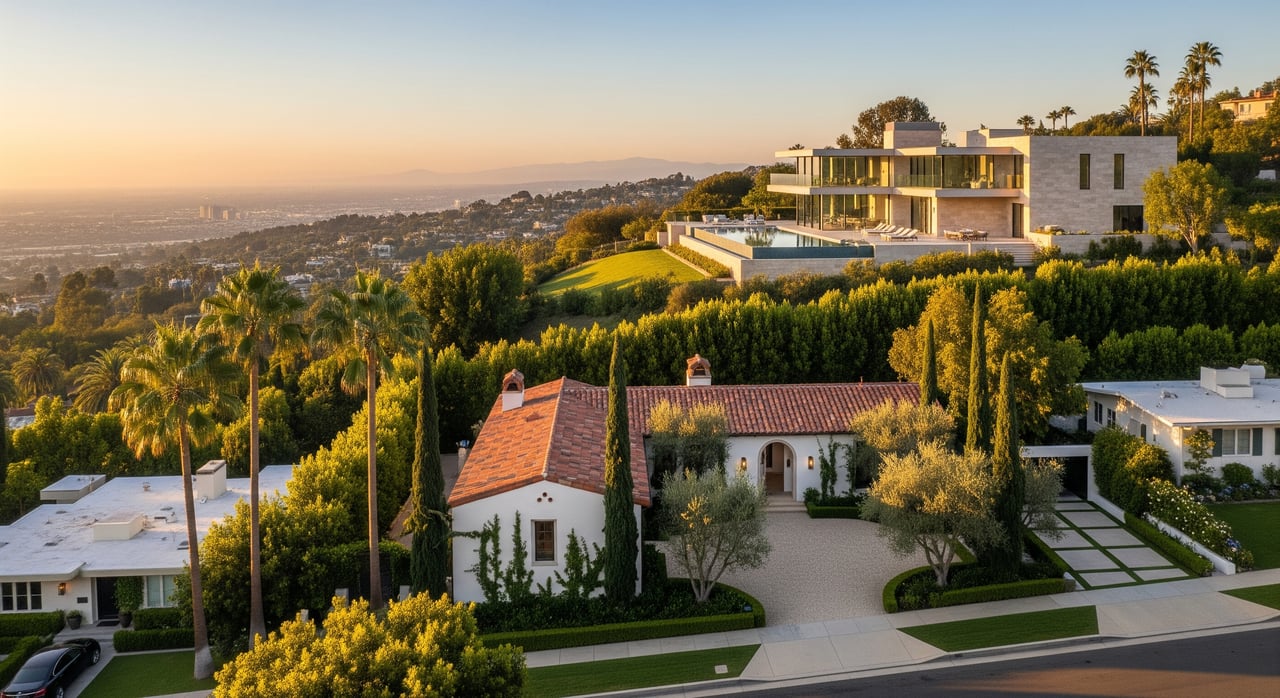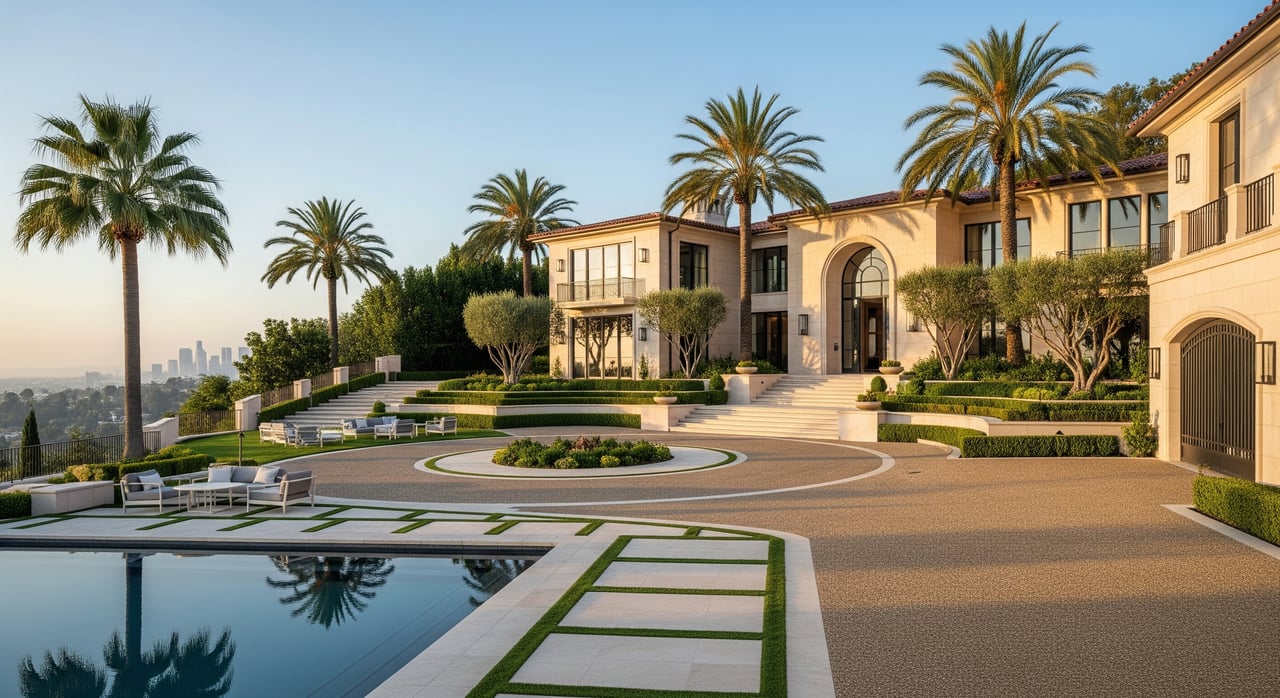
Are headlines about Beverly Hills real estate leaving you more confused than confident? One trophy sale can swing the numbers, while a quiet week in your price band can mask real momentum. You deserve a clear way to read what is actually happening so you can act with confidence. In this guide, you’ll learn how to interpret the signals that move luxury prices, what to watch in the Flats, Trousdale, and BHPO, and how seasonality and new builds shape value. Let’s dive in.
Why prices move in Beverly Hills
Luxury pricing in Beverly Hills is shaped by both supply and composition. The raw count of active listings matters, but the mix matters more. One or two extraordinary estates can skew medians, so track inventory by price band and submarket and watch how that mix changes week to week. Months of supply is helpful, but calculate it by submarket and price tier to avoid misleading averages.
Demand shows up first in velocity. Weekly pendings and closings confirm real buyer engagement. Follow new pendings by both count and dollar volume to gauge whether buyers are absorbing fresh inventory or stepping back.
Speed matters. Days on market tells you whether listings are gliding to contract or lingering. Look beyond a single median. A growing share of listings over 180 days is a useful stress signal even if the median looks stable.
Price realization reveals negotiation. The list-to-sale price ratio and the prevalence of price reductions show where buyers have leverage. In luxury, story sales happen. You will see meaningful reductions to meet the market and, at times, above-list results when an exceptional property inspires competition.
Financing plays a role even at the top of the market. Many high-net-worth buyers use financing to optimize liquidity. Keep an eye on jumbo rate trends and the share of cash versus financed purchases in recent closings.
Unique luxury factors can override averages. Rarity, privacy, lot size, unobstructed views, guest amenities, architectural pedigree, and recent high-profile sales can all set reference points that pull certain properties above the rest. Local tax and transfer considerations may also influence a seller’s timing and price strategy.
Read each submarket on its own
Beverly Hills Flats
The Flats sit close to Rodeo Drive and Wilshire, with walkable streets and a mix of classic homes and newer rebuilds. Buyers often value proximity to shopping and services and the neighborhood feel. Pricing is sensitive to block-by-block comparables, frontage, and architectural style. Turnover can be higher here, which means fresh data to guide pricing, but also more competition when a wave of listings hits.
Trousdale Estates
Trousdale sits on higher ground with panoramic city and canyon views and architecture that ranges from mid-century to cutting-edge contemporary. Buyers tend to prioritize privacy, lot quality, and the view plane. Fewer annual sales and longer marketing cycles are common, yet the ceiling for price per square foot is often highest. A single sale can move headline medians, so treat trendlines with caution and confirm with multiple recent closings.
Beverly Hills Post Office (BHPO)
BHPO carries the 90210 postal identity but sits inside the City of Los Angeles. Expect greater variety in topography, larger estates, and a strong focus on privacy and acreage. Pricing drivers include lot size, access, and views, and municipal differences can matter. BHPO often aligns with Beverly Hills luxury pricing, but the service and zoning context can be distinct.
Mapping the terrain
When you sketch the submarket map, mark the Flats around Beverly Drive and the commercial core, outline Trousdale north of Sunset Boulevard, and note BHPO zones within 90210 that extend into Los Angeles. A simple legend helps orient expectations: typical list price ceilings tend to run Trousdale higher, with BHPO and the Flats often comparable, subject to view and lot premiums.
Build a simple weekly dashboard
Core weekly metrics
Track a handful of numbers to keep your finger on the pulse:
- New listings overall and by price band
- Active listings and the change from last week
- New pendings and contingent deals by count and dollar volume
- Price reductions by count and share of all active listings
- Withdrawals, cancellations, and back-on-market events
- Median asking price by submarket
- Rolling 4-week median days on market
- List-to-sale price ratio on a 30, 60, and 90-day lookback
Smooth the noise
Luxury markets are sparse. Use short moving averages to reduce weekly noise. Show both count and share for each metric so you can compare weeks with different inventory sizes. Flag outliers, such as a nine-figure new listing, and consider viewing medians with and without the top one or two properties to see the underlying pattern.
Red flags vs green flags
- Red flags: rising price reductions by share, longer days on market, fewer pendings, and more withdrawals.
- Green flags: shrinking active inventory, more pendings, fewer reductions, and shorter days on market.
- Mixed signals are common. For example, a rise in new listings paired with steady pendings can still indicate healthy absorption.
Single big deals
One trophy listing or sale can create splashy headlines. Treat these as notable events, not proof of a broader shift, unless you see confirmation across multiple transactions and price bands.
Practical alert rules
Consider simple triggers to prompt a review:
- Active inventory up more than 10 percent week over week and price reductions share rising by more than 5 points
- Pendings down more than 15 percent week over week while days on market rises more than 10 percent
- In higher bands, treat a single large withdrawal or price cut as meaningful and revisit comps immediately
Seasonality and new-build activity
What to expect by season
Beverly Hills sees a spring-to-early-summer lift most years as new listings arrive and buyers aim to close before fall. A secondary window often appears from September through November when travel eases and calendars open. Late December and early January usually slow, with fresh inventory arriving in late January and February. Luxury timelines also follow lifestyle calendars, so expect variability by year.
Tracking new builds
New construction and significant renovations often reset price ceilings within a micro-neighborhood. Monitor building permit filings and visible construction to understand pipeline. Use the new-construction flag in listing data and track recent new-build closings. Where multiple adjacent projects are underway, scarcity can shift quickly.
How new builds change comps
New builds can lift comparable values, but differences in lot, age, and amenities still require careful adjustment. If you are selling an older home near several new or fully renovated properties, you may justify a premium with improvements, or you may decide to price to the current condition to stay in the hunt. Buyers should watch how new product affects the spread between list price and sale price over the next few quarters.
Visuals to keep you grounded
Use simple visuals to avoid guesswork and to separate signal from noise:
- Chart A: Median sale price vs median list price over five years by submarket. Purpose: confirm direction and spot divergences between asking and selling levels.
- Chart B: Active inventory and months of supply over five years by price band. Purpose: visualize tightness or slack in each tier.
- Chart C: Median days on market and share of price reductions on a weekly 4-week moving average. Purpose: short-term stress indicator.
- Chart D: New listings versus pendings on a rolling 12-month weekly view. Purpose: capture momentum shifts.
- Chart E: Median price per square foot by submarket annually. Purpose: compare relative ceilings while noting lot and view differences.
Keep a simple schematic map of the Flats, Trousdale, and BHPO nearby. Label main roads, 90210 boundaries, and landmarks like Rodeo Drive. This is not a legal map, but a clear visual helps you frame comps and set expectations.
For data quality, always show sample size and timeframe on each chart. Remove or flag outliers when you present medians and consider a trimmed mean to avoid distortion. Add a note that luxury markets have low transaction counts, which makes medians sensitive to single sales.
What this means for your strategy
Your best decisions come from pairing on-the-ground context with a disciplined read of the weekly data. Here is how to put that into practice:
- Sellers: Set your list price using submarket comps filtered by lot size, view, and architectural style. Monitor weekly pendings and reductions. If showings and feedback lag, revisit your pricing and presentation within 60 to 90 days while staying alert to competing new listings.
- Buyers: Define your must-haves early. If you are searching in a scarce segment like view estates in Trousdale, be ready to move when pendings rise and reductions fall. If inventory and price cuts are climbing in your band, consider negotiating leverage or timing your offer after a reduction.
- Investors and developers: Track permits and active construction to anticipate supply shifts. New builds can reset ceilings, but execution matters. Underwrite with realistic days on market and a plan for value-add features that speak to privacy, outdoor living, and design pedigree.
Above all, keep your perspective local. Read each micro-neighborhood on its own timeline. Confirm headlines with weekly MLS signals and focus on composition rather than a single median.
If you want a discreet, data-driven approach tailored to your property or search, connect with Ruth Elia for a private consultation and a submarket-specific dashboard.
FAQs
How often should Beverly Hills luxury sellers reprice?
- Review weekly signals and buyer feedback. In luxury, allow 60 to 90 days for meaningful market exposure before major adjustments, while monitoring new competing listings each week.
Do trophy listings change Beverly Hills neighborhood prices?
- A headline sale can set a ceiling, but it rarely shifts the entire comp set by itself. Look for multiple transactions at higher levels to confirm a new tier.
Should Beverly Hills buyers wait if inventory is rising?
- It depends on your price band and submarket. Rising inventory and reductions help buyers, but scarce view estates may remain competitive even in softer weeks.
How do new builds affect appraisals in Beverly Hills?
- New construction can lift area benchmarks, but appraisers adjust for lot, age, and quality. Older homes may need upgrades or pricing that reflects current condition.
What is a realistic luxury timeline from list to close?
- Timelines vary by submarket and price. Plan for 60 to 120 days or more in many luxury deals to accommodate showings, negotiation, inspections, and financing.