If you are selling a Malibu oceanfront home, a beautiful view alone is not the strategy. In Malibu, buyers look closely at frontage, access, permits, disclosures, and site history, and they often take their time doing it. The good news is that with the right timing, pricing, and preparation, you can present your property with clarity and confidence. Let’s dive in.
Why Malibu oceanfront sales require precision
Malibu is a luxury market, but it is not a simple one. Recent market data points to a high-price, lower-volume environment where negotiation matters and homes can sit if pricing or presentation misses the mark.
As of spring 2026, Realtor.com reported a Malibu median listing price of $5.8475 million, 510 homes for sale, median days on market of 73, and a sale-to-list ratio of 90%. Redfin’s March 2026 Malibu data showed a median sale price of $4.8195 million and average days on market of 175. While those sources use different methods, both suggest the same core reality: you need a thoughtful plan from day one.
Malibu is also highly segmented. Realtor.com neighborhood data showed median listing prices of about $9.995 million in Point Dume, $7.995 million in Western Malibu and Malibu Park, $7.45 million in Central Malibu, and $5.995 million in Eastern Malibu.
That spread matters if your home is oceanfront. Buyers do not compare your property to all of Malibu equally. They compare it to the same stretch of coastline, similar access profile, similar view line, and similar condition.
When to list a Malibu oceanfront home
For many sellers, timing starts well before the listing goes live. National timing research from Zillow and seasonal guidance from Redfin support spring as a strong selling window, with late March through mid-May often performing well and Thursday standing out as a favorable listing day.
For Malibu, that points to a practical approach: aim to be market-ready by late winter and launch in early to mid-spring if the home is fully prepared. That timing can help you meet buyers when activity is stronger, while also giving your property a full presentation before peak spring competition builds.
Start prep earlier than you think
Oceanfront homes often need more due diligence before launch than inland luxury properties. If your home has a complex permit history, shoreline improvements, drainage work, decks, stairs, retaining features, or onsite wastewater questions, it is smart to begin months ahead of your target listing date.
Malibu’s Coastal Development Permit process can involve conformance review, notices, hearings, and appeal periods before plans move forward. If any cleanup or clarification is needed, you do not want to discover that after your home is already on the market.
Build the pre-listing file first
In Malibu, the permit file is part of the value story. Because the entire city sits within the California coastal zone, development and many property-related activities fall under the City of Malibu’s Local Coastal Program unless exempt.
That is why a serious pre-listing strategy usually begins with a document audit. If buyers or their advisors ask questions about prior work, access, drainage, shoreline protection, or site conditions, you want clear answers ready.
What to gather before launch
A strong pre-listing package may include:
- Prior Coastal Development Permits
- Final permits and related city records
- Deed restrictions
- Survey or easement maps
- Septic or OWTS records, if applicable
- Geotechnical reports
- Drainage documents
- Repair history
- Insurance or claims history tied to property conditions
- Records related to shoreline stabilization, walls, stairs, decks, or hardscape
The City of Malibu’s CDP checklist specifically calls for prior permits issued by both the California Coastal Commission and the City of Malibu, along with related records and deed restrictions. For beachfront properties, the checklist also references items like a wave-uprush report from a coastal engineer when relevant.
If the property has OWTS issues
If the home uses or may require a new onsite wastewater treatment system, Malibu requires a Coastal Development Permit for that work. The City’s materials also reference OWTS plot plans, design reports, and soils analysis.
This does not mean every property has a problem. It means that if wastewater infrastructure is part of the buyer’s diligence, having the file organized early can keep the transaction moving.
Disclosures matter more on the coast
Luxury buyers expect transparency, especially on an oceanfront property. In California, the Transfer Disclosure Statement covers physical condition and potential hazards or defects, and agents are also required to visually inspect accessible areas and disclose readily observable issues.
For Malibu oceanfront homes, buyers often focus heavily on water intrusion, drainage, erosion, bluff stability, and repair history. If there are unresolved issues, it is usually better to identify and address them before launch rather than let them surface mid-escrow.
Review hazard disclosures carefully
The Natural Hazard Disclosure Statement can be especially important in Malibu. California disclosure guidance addresses whether a property is in a special flood hazard area, a very high fire hazard severity zone, a wildland fire zone, an earthquake fault zone, or a seismic hazard zone.
On the coast, those items should be reviewed alongside the larger site picture. Coastal erosion, tidal exposure, drainage behavior, and flooding concerns may all shape how a buyer evaluates the asset.
Do not wait for escrow to find missing records
California guidance also notes that agents are not required to inspect public records or permits for title or use as part of a visual inspection. In practical terms, that means missing permit records may not become obvious until a buyer starts digging.
If there is unpermitted work or an unresolved coastal issue, it can affect pricing, lender comfort, and buyer confidence. The cleaner path is to identify those risks before marketing begins.
Position the property with exact language
In Malibu, the difference between a strong listing and a misleading one can come down to a few words. Ocean view, beach frontage, blufftop setting, deeded access, permissive access, and recorded public access easements are not interchangeable.
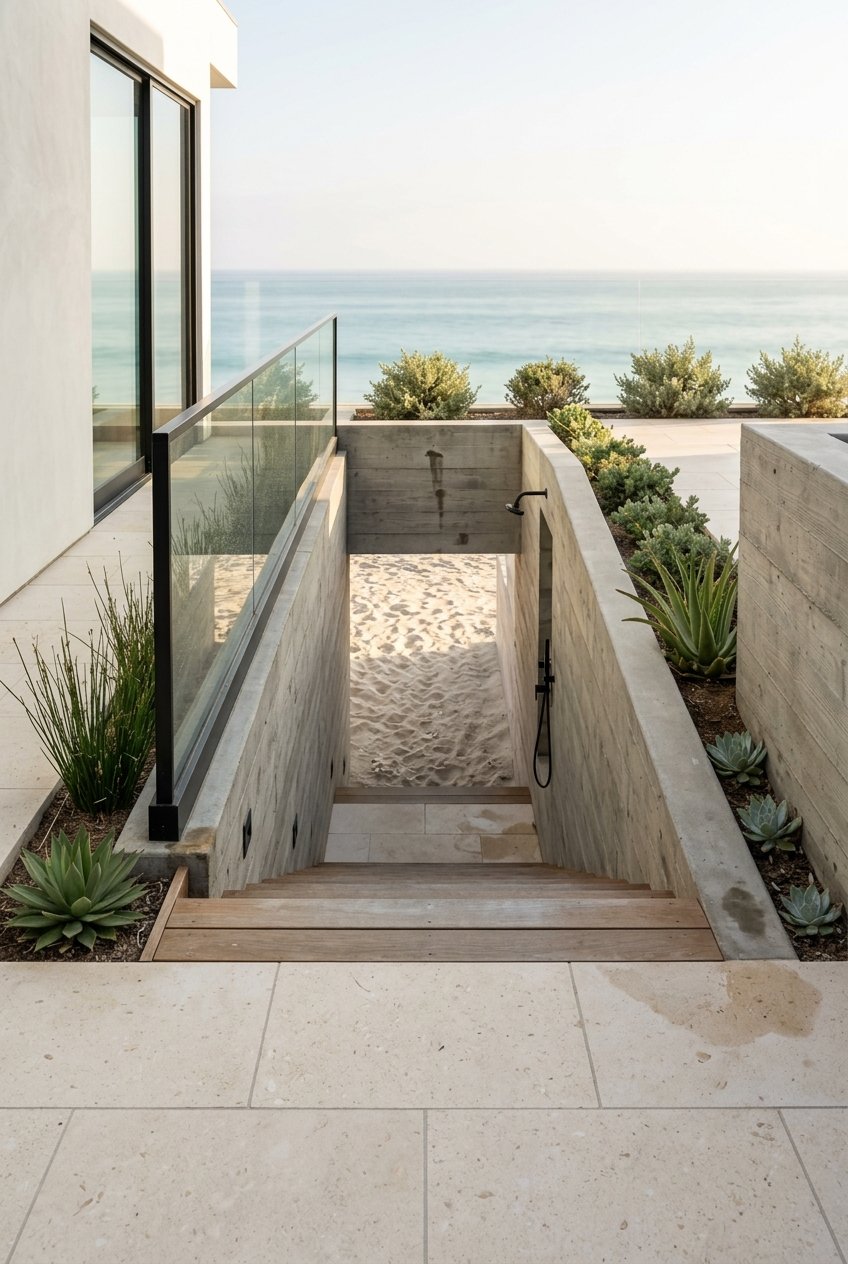
Malibu has 21 miles of coastline, and the City notes that many private beaches have nearby public access ways. Coastal Commission access materials also show that some shoreline parcels are subject to recorded access easements.
Be precise about frontage and access
When your home goes to market, the property description should clearly distinguish:
- Ocean view versus direct frontage
- Blufftop location versus beach-level position
- Deeded access versus nearby public access
- Private use areas versus areas affected by recorded easements
That precision protects credibility. It also helps serious buyers understand exactly what they are evaluating.
Document view-related factors
In Malibu, views can also be a formal regulatory matter. The City has View Preservation and View Restoration procedures, and approved View Preservation Permits stay on file and bind future owners.
If your home’s view corridor depends on foliage conditions, prior permits, or neighbor-related arrangements, it is worth documenting that before listing. Buyers should understand what is established, what is maintained, and what is not guaranteed.
Price by micro-location, not by headline numbers
One of the most common luxury pricing mistakes is leaning too heavily on citywide averages. In Malibu, that can create a disconnect almost immediately.
Oceanfront value is shaped by a tight set of details: stretch of coastline, beach character, view line, access, lot profile, site conditions, privacy, and permit clarity. A home in Point Dume is not priced the same way as one in Eastern Malibu simply because both are in the same city.
In a market where reported sale-to-list performance is around 90% and days on market can stretch, overpricing can cost you leverage. Serious buyers may wait, negotiate harder, or assume hidden issues if a property lingers.
What disciplined pricing does
A calibrated pricing strategy can help you:
- Attract qualified attention early
- Support stronger first impressions
- Reduce the risk of extended market time
- Preserve negotiating position
- Align the asking price with the property’s actual coastal profile
For a trophy coastal asset, pricing is not about being aggressive or conservative. It is about being credible.
Market the home like a coastal asset
Oceanfront marketing should do more than showcase pretty sunsets. It should explain the property clearly while capturing the lifestyle and physical setting that make the home valuable.
Zillow’s guidance highlights the value of high-resolution photography and interactive floor plans in premium presentation. For a Malibu oceanfront home, that should be paired with coastline imagery, view-corridor visuals, and presentation that reflects the property’s frontage, access, and setting accurately.
Focus your marketing on clarity and quality
Your launch plan should prioritize:
- High-resolution interior and exterior photography
- Strong coastline and orientation imagery
- Floor plans that help buyers understand flow and scale
- Clean descriptions of frontage, access, and site features
- A polished presentation that matches the home’s price point
This is where white-glove strategy matters. Sophisticated buyers notice not only how a home looks, but also how well the story is organized.
A practical Malibu selling timeline
If you are planning to sell, a realistic roadmap often starts 60 to 90 days before launch. That window gives you time to organize documents, review disclosures, prepare the property, and decide whether any last-mile cleanup is worth completing before going live.
A simple framework looks like this:
60 to 90 days before listing
- Audit permits and coastal records
- Review deed restrictions and easements
- Gather geotechnical, drainage, OWTS, and repair records
- Identify any disclosure issues that need attention
- Begin pricing analysis based on true micro-location comparables
Final 30 days before listing
- Complete staging and property presentation
- Finalize photography and floor plans
- Review title-related items and access documentation
- Refine property language for frontage, views, and coastal features
- Prepare for a strategic spring or Thursday launch if timing aligns
This process helps you go to market with fewer surprises and a stronger negotiating position.
Work with strategy, not assumptions
Selling a Malibu oceanfront home is not just about listing a luxury property. It is about presenting a complex coastal asset in a way that feels polished, accurate, and easy for buyers to understand.
When timing, pricing, disclosures, permits, and marketing all work together, you create confidence. And in a market like Malibu, confidence is often what drives the best outcome.
If you are considering a sale and want a discreet, high-touch plan tailored to your property, schedule a private consultation with Ruth Elia.
FAQs
When is the best time to sell a Malibu oceanfront home?
- For Malibu sellers, a practical target is to be market-ready by late winter and consider an early-to-mid spring launch, with Thursday often viewed as a strong listing day if the property is fully prepared.
Why do Malibu oceanfront homes need more pre-listing preparation?
- Malibu oceanfront properties often involve coastal permits, access questions, drainage or erosion history, and site-specific disclosures, so buyers usually expect a more complete document package before making a serious move.
What documents should you gather before listing a Malibu beachfront property?
- Key documents can include prior Coastal Development Permits, final permits, deed restrictions, survey or easement maps, OWTS or septic records, geotechnical and drainage reports, and repair or claims history.
How should a Malibu oceanfront home be priced?
- A Malibu oceanfront home should be priced by micro-location, frontage, access, condition, and site profile rather than broad citywide averages, because values vary widely across different stretches of coastline.
What should a Malibu seller disclose about an oceanfront property?
- A Malibu seller should review physical-condition disclosures and hazard disclosures carefully, especially around water intrusion, drainage, erosion, bluff or site stability, flood-related concerns, and unresolved repairs or permit issues.
Why is beach access language important in a Malibu home listing?
- Access language matters because ocean view, direct frontage, deeded access, and nearby public access are different things, and precise wording helps buyers understand exactly what rights and conditions apply to the property.