Wondering why one block in Cheviot Hills feels classic and storybook while the next feels more open, modern, and tucked into the hills? If you are thinking about buying here, that mix is part of the appeal, but it also means you need to look closely at the lot as much as the house. Understanding how Cheviot Hills was built, how its streets curve, and how its home styles vary can help you make a more confident decision. Let’s dive in.
Why Cheviot Hills Feels Different
Cheviot Hills stands out on the Westside because it is not a uniform tract neighborhood. The area includes roughly 1,400 single-family homes, and many date from the 1920s through the 1940s. Its setting near Cheviot Hills Park and Recreation Center, Palms Recreation Center, and Rancho Park Golf Course adds to the neighborhood’s established residential feel.
The neighborhood also developed from several subdivisions that were later grouped into what people now know as Cheviot Hills. That history helps explain why the area feels layered rather than repetitive. Instead of one simple pattern, you see different street layouts, lot conditions, and architectural styles across the neighborhood.
In the core planning district, Los Angeles City Planning describes hilly terrain, about 20 irregularly shaped blocks, and roughly 525 parcels linked by curving roads. Mature trees, original setbacks, and surviving street details still shape the visual character. For a buyer, that means the experience can change noticeably from one street to the next.
How Lot Layouts Shape the Buying Decision
In Cheviot Hills, the lot often tells you as much as the house itself. A useful early benchmark comes from a 1923 tract promotion that described average lots at about 65 by 140 feet. That is one reason many homes still sit on substantial single-family parcels rather than compact lots.
Older development restrictions also addressed setbacks, materials, fence height, and minimum construction cost. While those original rules are part of the neighborhood’s history, their long-term effect is still visible in the spacing and scale you see today. You may notice homes that feel more separated from one another than in some nearby areas.
The terrain adds another layer. Some blocks are mildly sloped, while others have steeper grades, retaining walls, or elevated siting that changes how the home meets the street. In practical terms, a lot with more slope may offer a different sense of privacy, light, or outlook than a flatter parcel on the next block.
Curving Streets and Irregular Parcels
Cheviot Hills does not read like a simple grid. In the core district, curving roads and irregular blocks create staggered sightlines and a more varied streetscape. That pattern can make homes feel more tucked away, especially when mature trees and original setbacks are part of the setting.
This is one reason buyers often describe Cheviot Hills as feeling more secluded than other Westside neighborhoods. That impression comes less from gate-like planning and more from the combination of topography, curves, and parcel geometry. It is a subtle feature, but it affects daily livability.
Flat Lots vs. Sloped Lots
Not every lot functions the same way. In California Country Club Estates, the topography ranges from generally flat to mildly hilly, and front yards often slope toward the street. In Monte Mar Vista, steeper grades and view-oriented lots become more common.
For buyers, this matters when you think about outdoor use, future changes, and the way the home sits on the land. Flatter or larger parcels may be more adaptable for additions, while steeper or more irregular lots may preserve outlooks and a sense of privacy. In Cheviot Hills, you usually want to evaluate usability and constraints on a parcel-by-parcel basis.
Common Home Styles in Cheviot Hills
One of the neighborhood’s biggest strengths is architectural range. Los Angeles City Planning identifies American Colonial Revival, Ranch, French Norman Revival, Mediterranean Revival, Tudor Revival, and occasional Spanish Colonial Revival homes in the original planning district. Because many houses were built individually as lots were sold, the neighborhood has more variation than many nearby tracts.
That variety gives buyers options, but it also means two homes with similar square footage can offer very different layouts, curb appeal, and renovation paths. Some houses lean formal and traditional, while others feel more casual or more clearly tied to postwar California living. Knowing the dominant style on a specific street can help you better judge fit and long-term value.
Revival Homes in the Older Core
In the older core areas, revival styles are a major part of the visual identity. You may see Tudor details, Mediterranean rooflines, Colonial symmetry, or French Norman influences within a relatively small area. These homes often reflect the neighborhood’s early decades and contribute to its layered architectural character.
There are also niche examples that make Cheviot Hills memorable. The neighborhood association notes a small number of Edmond J. Aiken houses, often described as English cottages or “witches’ houses,” with sloping thatched roofs, curving brick walkways, and heavy masonry details. They are rare, but they show how distinctive the neighborhood’s housing stock can be.
Ranch and Postwar Homes
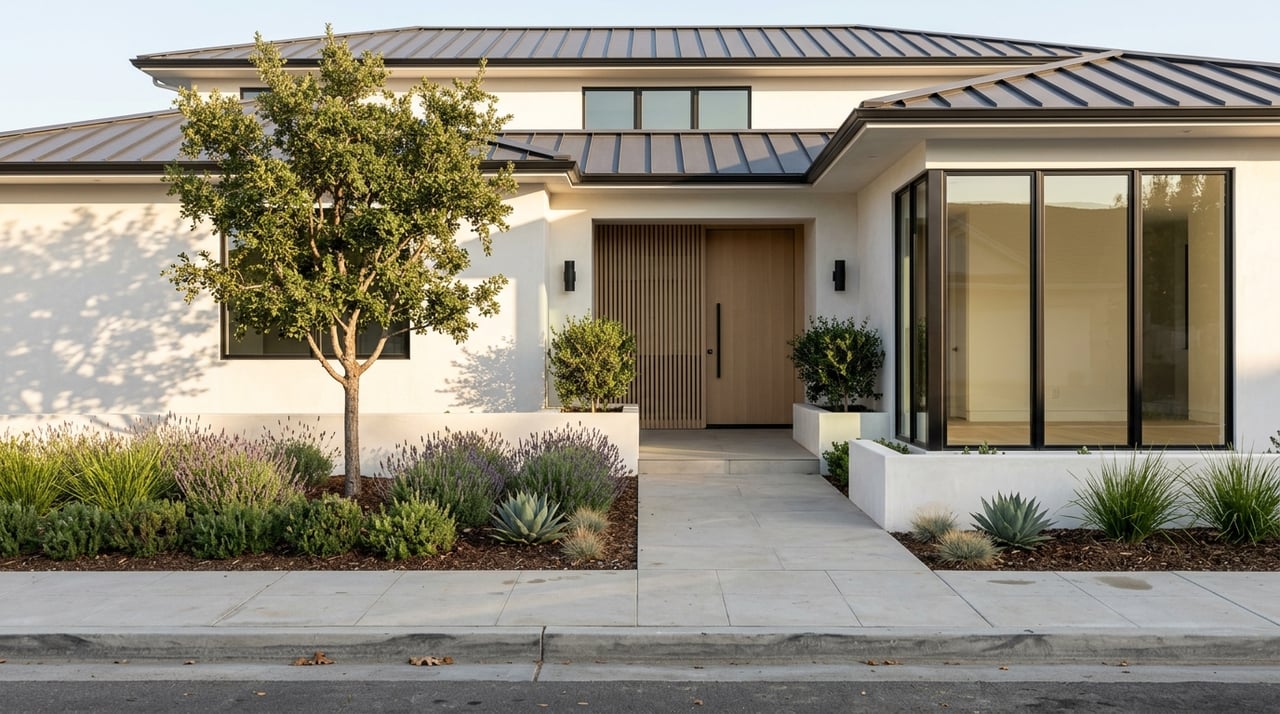
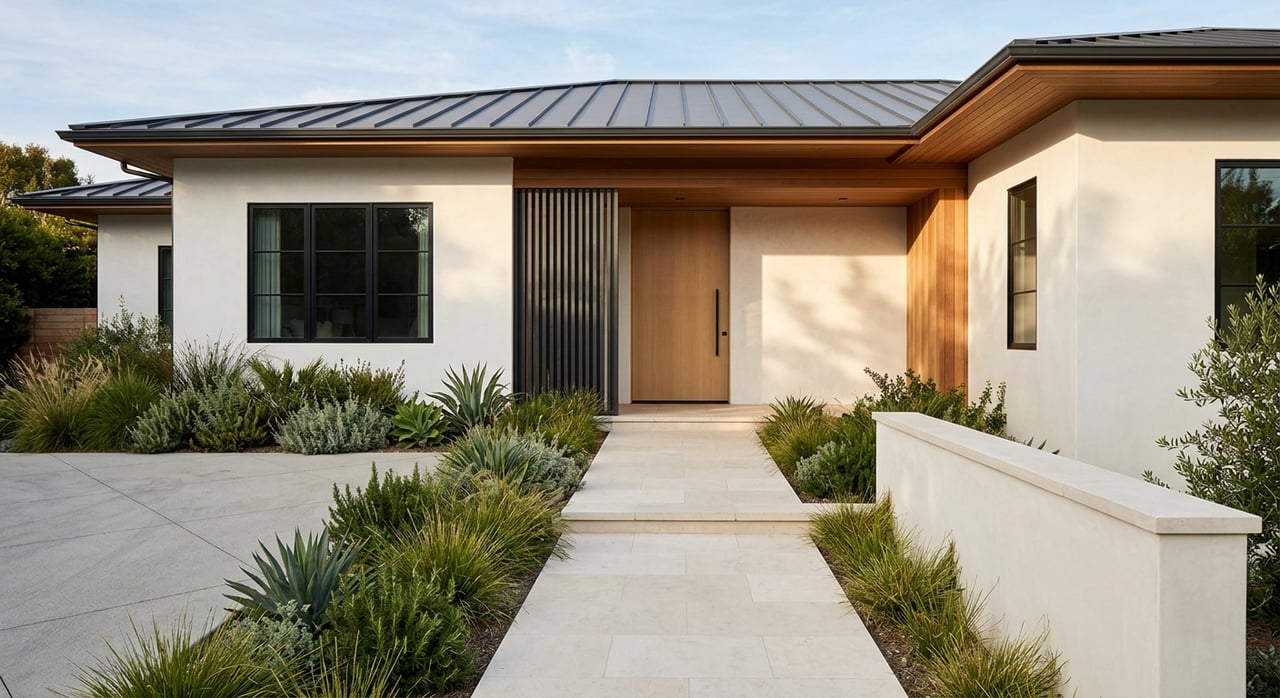
Cheviot Hills is not only about prewar revival architecture. In California Country Club Estates, Ranch houses became more prominent, with features such as low-pitched roofs, board-and-batten siding, exposed rafter tails, decorative shutters, and attached garages. These homes often present a more open and spacious feel on larger lots.
Cheviot Knolls also reflects the shift toward California ranch-style housing by 1940. For buyers, this broadens the search in a useful way. You are not limited to one era or one design language, which can be a major advantage if you want flexibility in style and layout.
How Subareas Change the Housing Mix
Cheviot Hills works best when you think in subareas, not just in the neighborhood name. Different tracts have different lot patterns, elevations, and home types. That block-by-block nuance is one of the most important things to understand before you buy.
Monte Mar Vista
Monte Mar Vista includes Tudor Revival, American Colonial Revival, and Spanish Colonial Revival homes. The city notes one-, two-, and split-level houses on moderate to large lots. Homes along the northern edges may also have expansive views over Hillcrest Country Club and Rancho Park Golf Course.
If you are drawn to a combination of traditional architecture and varied topography, this area may feel especially appealing. The mix of lot sizes and building heights can create a more layered street presence. It also means no two buying decisions are exactly alike.
California Country Club Estates
California Country Club Estates shifts the style mix more clearly toward Ranch houses. The area includes generally flat to mildly hilly terrain, larger lots, and homes that often feel more open in plan and placement. Small retaining walls and sloped front yards are common visual features.
For some buyers, this subarea offers a more relaxed California residential feel. It can be a strong fit if you are looking for broader frontage, attached garages, or a house form that adapts well to updated interiors. The lot still matters, but the architectural rhythm is different from the older revival-heavy core.
What Buyers Should Know About Renovation Potential
Cheviot Hills has a long history, but it is not frozen in time. SurveyLA found that many original homes have already been replaced or extensively altered through additions, replacement windows, and other massing changes. That makes the neighborhood feel dynamic, with both preserved character homes and more reworked properties in the mix.
The city’s survey also found that Cheviot Hills does not appear eligible as a historic district, even though it may merit special planning consideration because of its topography, irregular street pattern, and architectural diversity. Based on the city’s adopted HPOZ list, Cheviot Hills is not currently listed as a neighborhood-wide HPOZ. In practical terms, that suggests renovation may be more flexible here than in a neighborhood with district-wide historic review, though parcel-specific rules can still matter.
For a buyer, the main takeaway is simple: renovation potential is highly site-specific. Slope, width, depth, orientation, existing additions, and how much original character remains can all shape what is realistic. In Cheviot Hills, a promising opportunity on paper still needs careful lot-level analysis.
Old and New Can Coexist
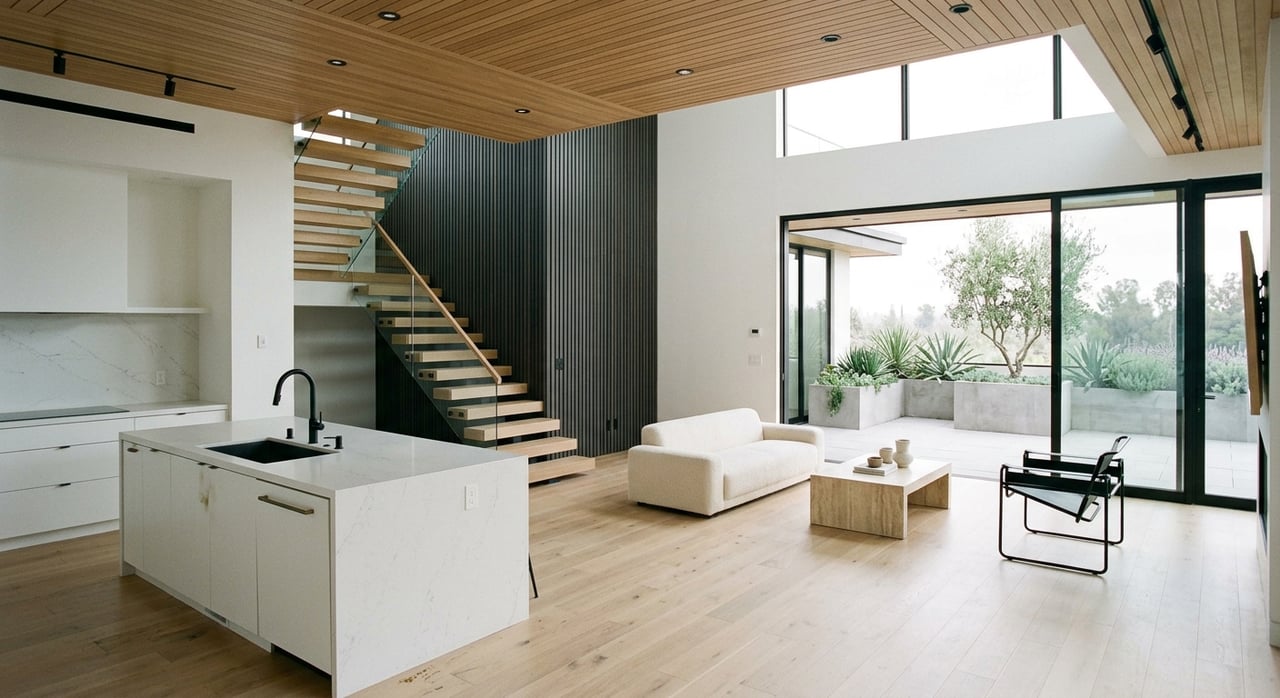
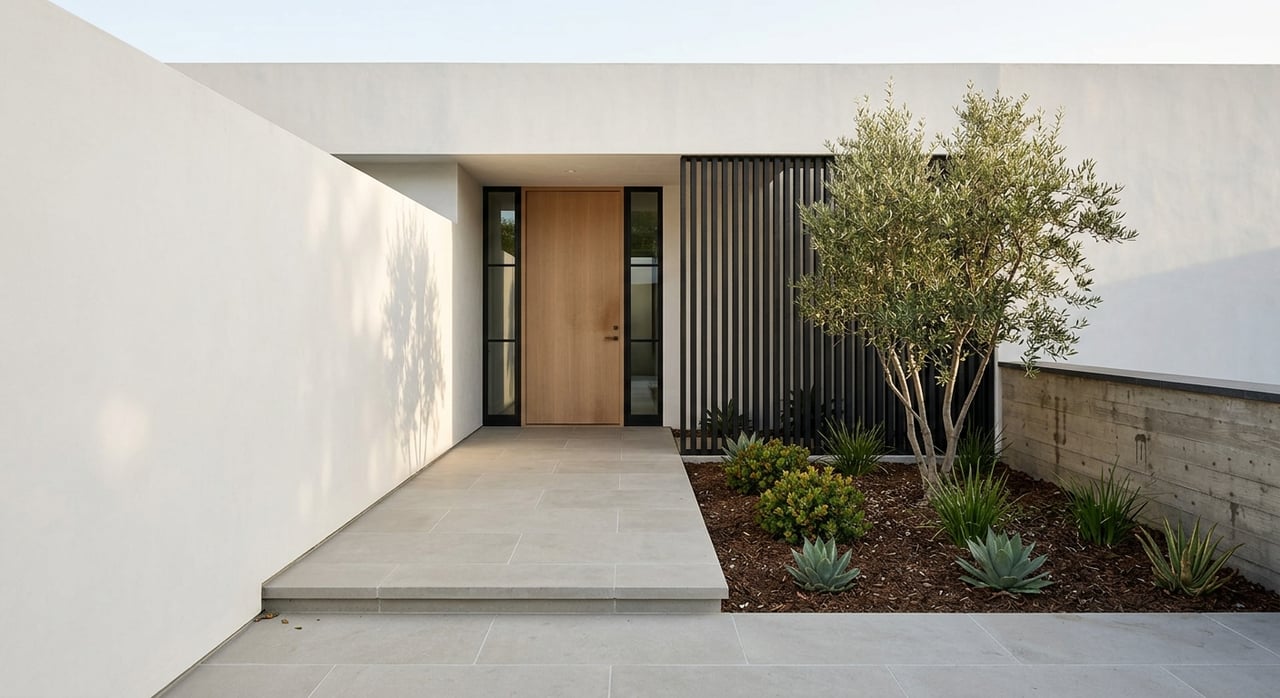
Reinvention is part of the neighborhood’s story. The neighborhood association highlights Thom Mayne’s 2017 modern home on the former Ray Bradbury lot as a visible example of contemporary design in Cheviot Hills. That coexistence between older homes and newer design is part of what makes the area appealing to a wide range of buyers.
If you are weighing a move here, it helps to think beyond the facade. Some homes are best for preservation-minded buyers, while others may suit those looking for thoughtful updates or long-term value-add potential. The right fit depends on your goals, your timeline, and the exact parcel involved.
How Cheviot Hills Compares on the Westside
Cheviot Hills is often best understood by comparison. Los Angeles City Planning describes the Janss Westwood districts as more level or gently sloping, more orthogonal, and more consistent in setbacks and scale. Beverlywood, by contrast, is noted for larger parcels, a more park-like layout, and a central landscaped median and park structure.
Cheviot Hills is less uniform than Janss Westwood and less formally planned than Beverlywood. Its appeal comes from mixed-era housing, varied lot geometry, and uneven topography. If you value a neighborhood where the home search is more nuanced and the setting feels less repetitive, that difference may be exactly the point.
What to Look For When Touring Homes
When you tour a home in Cheviot Hills, it helps to look beyond finishes and room count. Pay attention to how the house sits on the lot, how the street curves, and how neighboring homes relate in height and setback. These details can shape privacy, natural light, and how the home feels over time.
A simple checklist can help you compare options more clearly:
- Lot width and depth
- Slope at the front and rear of the property
- Street curvature and traffic pattern
- Retaining walls or grade changes
- Existing additions or second-story changes
- Architectural style and how intact it appears
- Outdoor usability and connection to interior spaces
- Potential for views or blocked sightlines
In a neighborhood like Cheviot Hills, these factors often matter more than broad assumptions about the area as a whole. A strong buying decision usually comes from understanding the micro-location, not just the ZIP code.
If you are considering a purchase in Cheviot Hills, a tailored, lot-level view can make all the difference. Ruth Elia offers discreet, hands-on guidance for buyers who want to evaluate architecture, privacy, and long-term potential with clarity.
FAQs
What home styles are common in Cheviot Hills?
- Common styles in Cheviot Hills include American Colonial Revival, Ranch, French Norman Revival, Mediterranean Revival, Tudor Revival, and occasional Spanish Colonial Revival homes.
What are lot layouts like in Cheviot Hills?
- Lot layouts in Cheviot Hills vary by block, but the neighborhood is known for curving roads, irregular parcels, mature trees, original setbacks, and terrain that ranges from flat to steeply sloped.
Are homes in Cheviot Hills all from the same era?
- No. Many homes date from the 1920s through the 1940s, but the neighborhood includes mixed-era housing, later Ranch-style development, and examples of contemporary redevelopment.
Is Cheviot Hills a good neighborhood for renovation projects?
- Renovation potential in Cheviot Hills depends heavily on the specific lot, including slope, width, depth, orientation, and existing improvements, rather than the neighborhood name alone.
How is Cheviot Hills different from other Westside neighborhoods?
- Compared with some nearby Westside neighborhoods, Cheviot Hills is less uniform in street layout, topography, and architecture, which gives it a more varied and block-by-block character.